
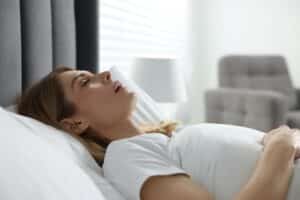
 If you experience loud snoring or sleep apnea, you might wonder whether alcohol makes it worse. Alcohol affects the muscles that control your airway, which can increase the risk of breathing interruptions during sleep. At New York ENT, you can receive expert evaluation and care for sleep disorders in New York, NY. Choosing this trusted practice gives you access to experienced specialists who focus on identifying and treating the underlying causes of disrupted sleep so you can rest more easily.
How Alcohol Affects Your Breathing During Sleep
When you drink alcohol, it relaxes your body—including the muscles in your throat and airway. This muscle relaxation can make it easier for your airway to collapse, especially if you already have obstructive sleep apnea. The result is more frequent pauses in breathing, snoring, and reduced oxygen levels.
You may also find that alcohol makes you sleep more deeply initially but causes poor-quality rest overall. It can interfere with your natural sleep cycle, leading to increased awakenings and reduced restorative sleep. This disruption can leave you feeling tired even after a full night in bed.
Why Alcohol Makes Snoring Worse
Alcohol acts as a sedative, which slows your reflexes and decreases your ability to maintain an open airway. As your airway narrows, airflow becomes turbulent, creating the vibrations that cause snoring. People who snore occasionally may notice their symptoms become more frequent or louder after drinking.
In addition, drinking close to bedtime increases congestion and inflammation in the throat, which can further obstruct airflow. Over time, this can contribute to chronic snoring or worsening sleep apnea symptoms.
Reducing Sleep Apnea And Snoring Triggers
Avoiding alcohol for several hours before bed can help you breathe more easily while sleeping. Maintaining a healthy weight, sleeping on your side, and addressing nasal congestion are also helpful strategies. If your symptoms persist, it may be time to see an ear, nose, and throat specialist.
An evaluation can determine whether you have sleep apnea and what treatment is most effective for you. Treatment options may include lifestyle changes, specialized devices, or in some cases, surgical procedures to open the airway.
Take The First Step Toward Better Sleep
If you struggle with snoring or sleep apnea, professional care can make a significant difference. Contact New York ENT in New York, NY at 212-873-6036 to schedule an appointment. The experienced team provides comprehensive care for sleep disorders to help you achieve restful, uninterrupted sleep and improve your overall health.